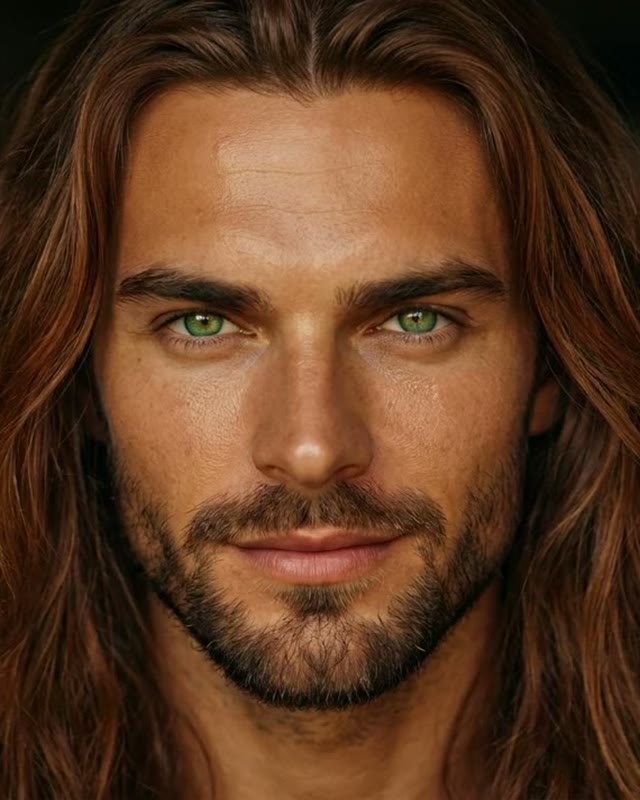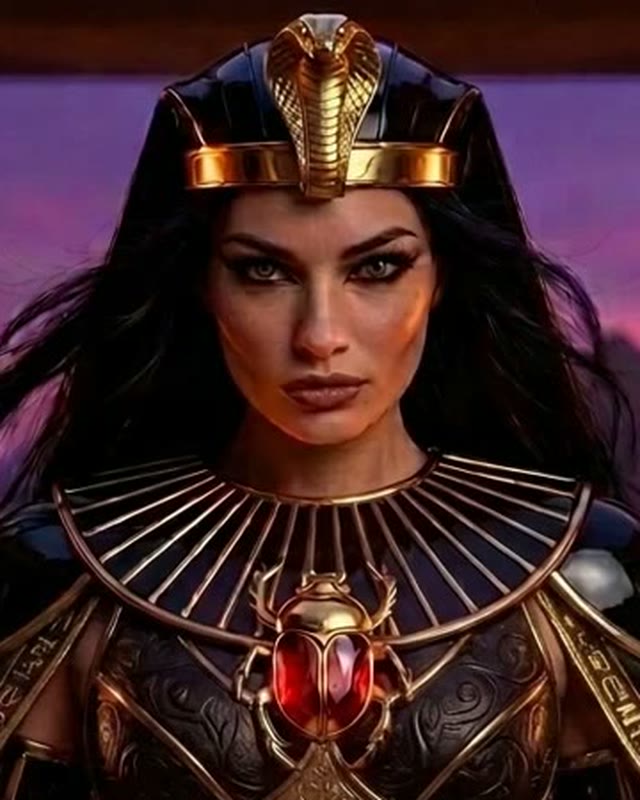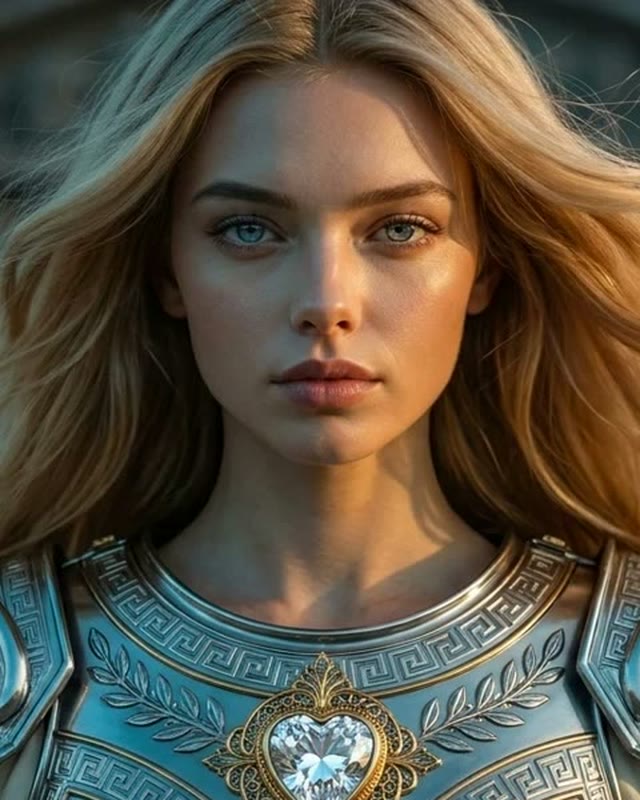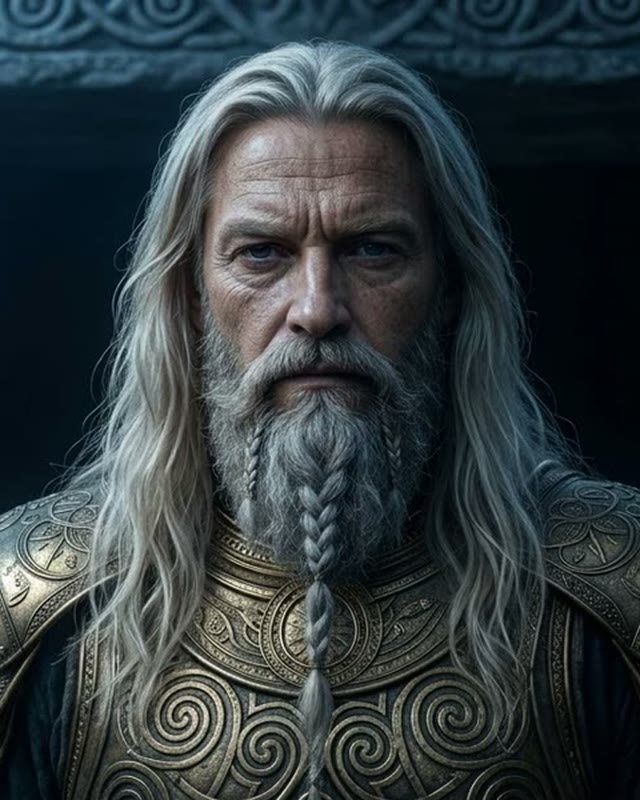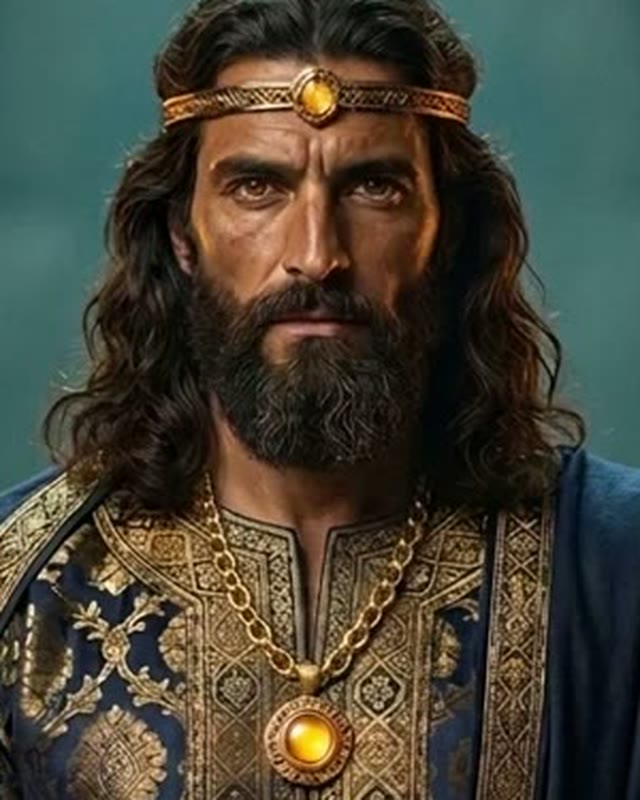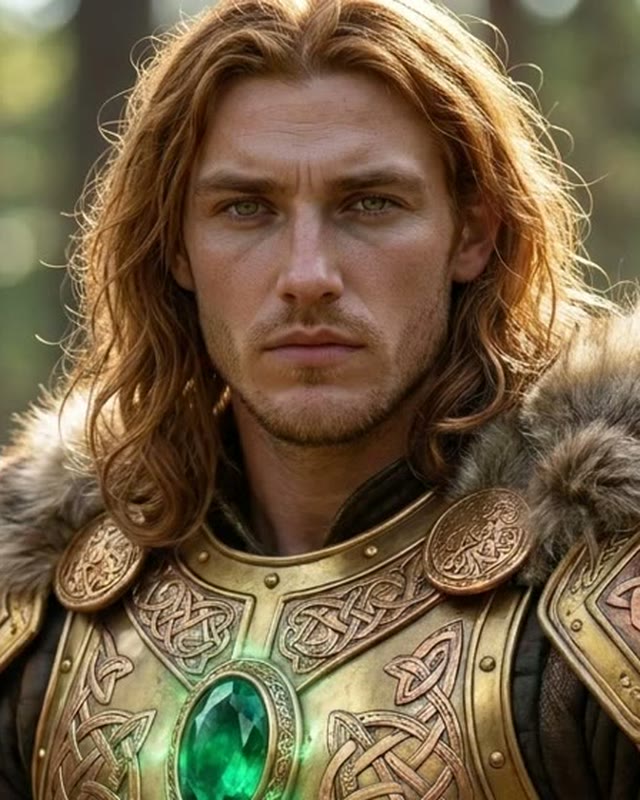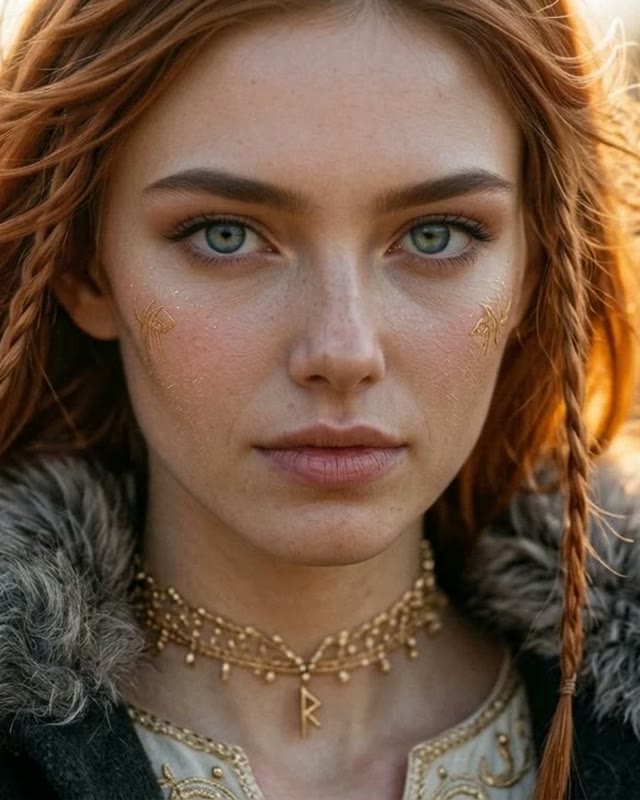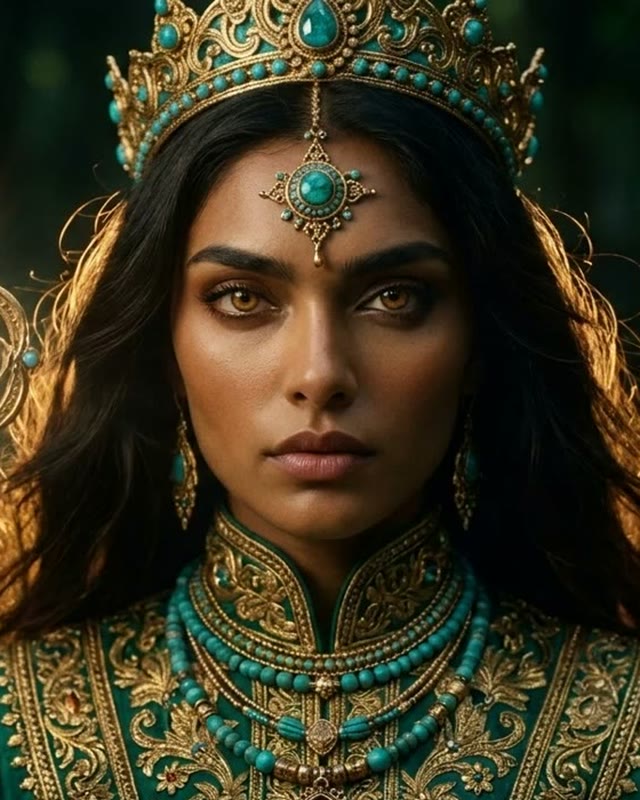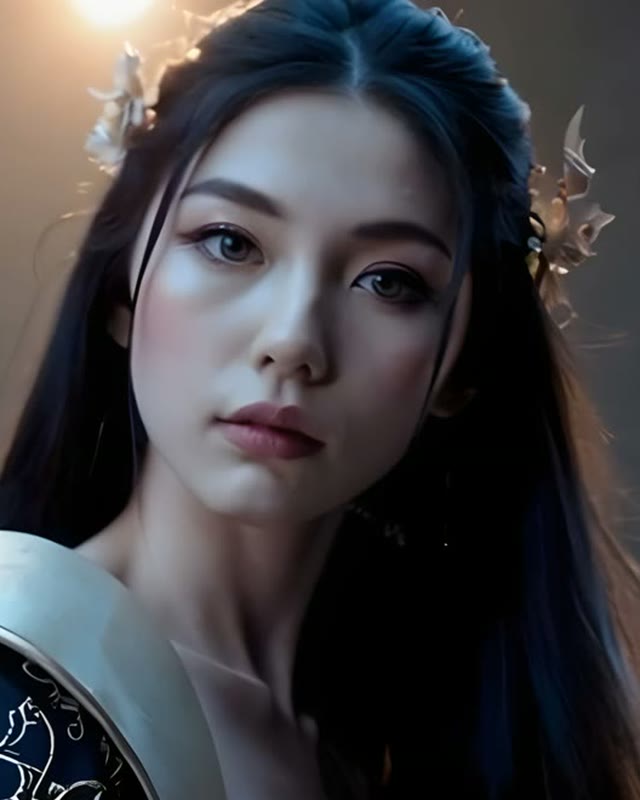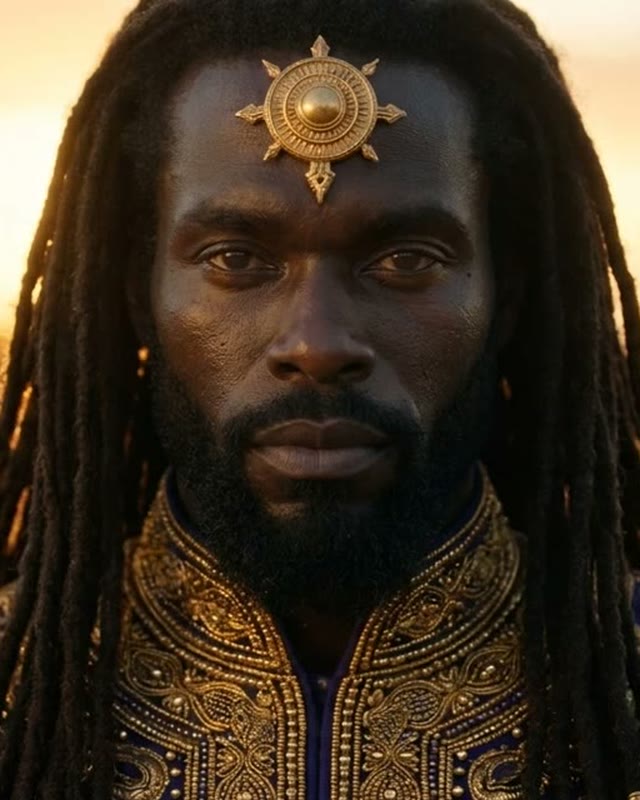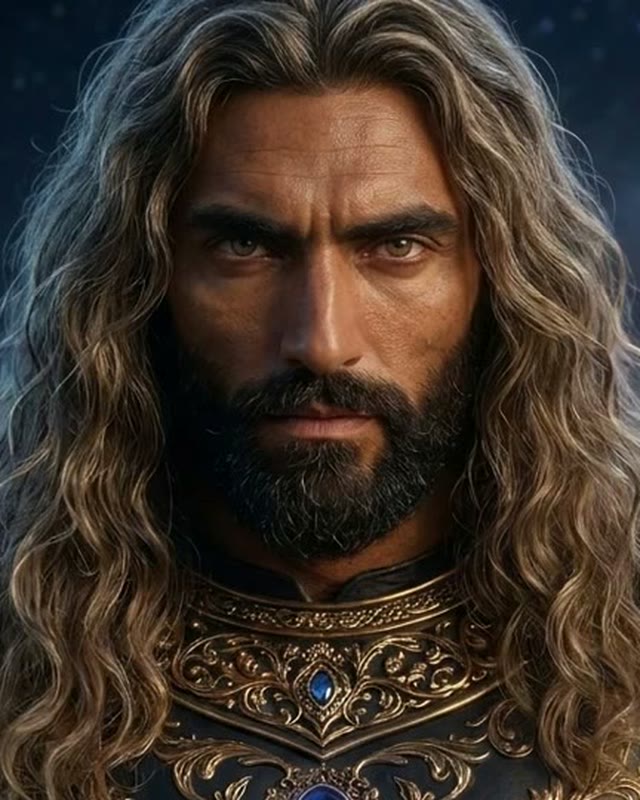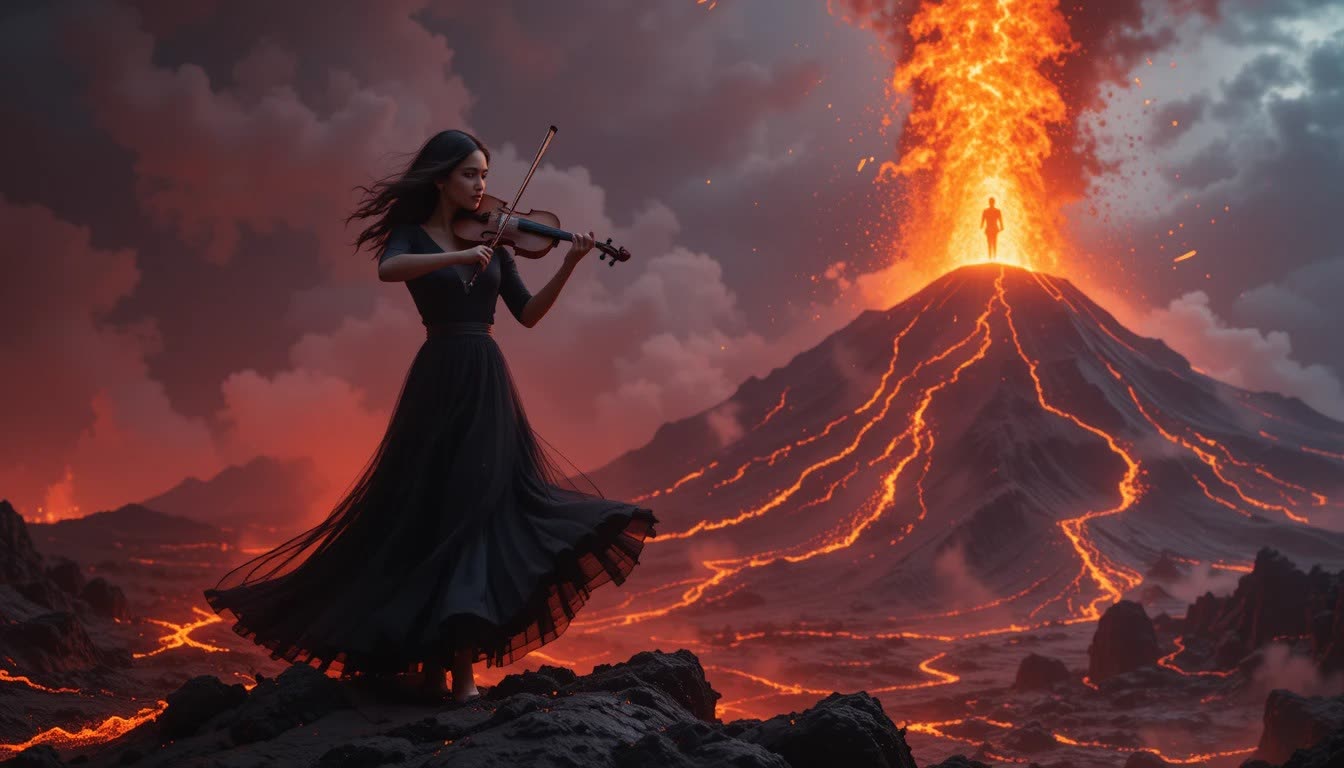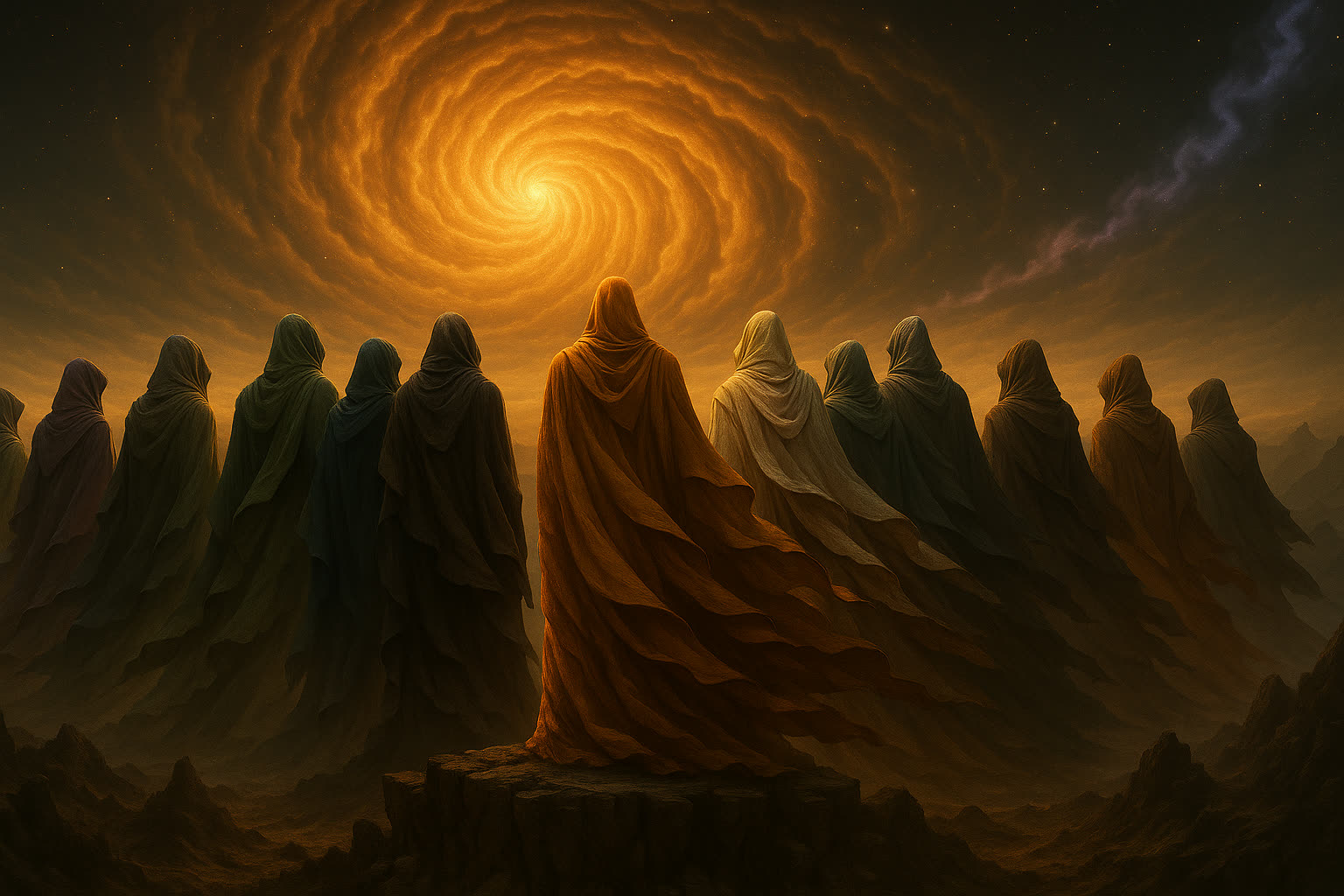
They did not arise by chance, nor by any desire of the universe. They were called: not by voices, but by a silent need within the very Aether. When the first pulse of existence unfolded into light and shadow, consciousness and void, forces emerged that were as ancient as time itself. They were not born. They simply… appeared, as inevitable answers to questions the universe had yet to ask.
These presences had no form at first. They were pure intentions, manifestations of fundamental aspects of reality: the radiance that guides, the darkness that envelops, the order that structures, the chaos that frees. They did not recognize one another, for there was no reflection, no language, but instinctively, they knew they belonged to something greater. They were not the Aether, but came from it. They bore its marks, its secrets, its essence.
In time, they took form. Voice. Will. They began to shape what surrounded them, to experiment with creation and error, beauty and ruin. They built stars and forged realms, breathed life into the void, and gave meaning to the tides of the cosmos. Even their subtlest gestures left scars upon the fabric of the universe, and from those marks, worlds, galaxies, and destinies emerged.
But they were not perfect. Though immense, they were also fragile. They could feel. They could suffer. They could desire. And that is what made them different from the Aether: their ability to love, to be wounded, to lose. The bonds they formed among themselves shaped not just the cosmos, but all that would ever exist.
These are the Primordial Gods. The first conscious flames of creation. And from them… everything else was set alight.
The Neoprimordials
The children of the Primordials themselves form the second generation of the Aether: the Neoprimordials. The first ones revealed are Galatea, daughter of Rafandai and Astralis, and Nibiru, son of Rafandai and Galathor. The two are half-siblings on their father’s side.
Velathar
Velathar, the Veil of the Layers, is the best-known rule of Rafandria, and also a protection. The higher layers do not interfere with the lower ones. The gods cannot act on the layers below them: each layer has its role, but does not act directly with the characters of those beneath. From there, each one has its own characters in the lower layers. Velathar is a rule the Aether created for the universe, the same protection that keeps each layer apart from the others. It also keeps a friction or discord among the gods from leading to the destruction of worlds and galaxies.
The rule was born of the Cosmic War of Exodus, so that a war like that one never again destroys the universe before it has completed all its cycles. The limits exist to respect the cycles.
There is an exception, which the Primordials themselves developed: a method of the Poíese, Rift, which breaks the bond of a law of the cosmos: the god opens a rift in the veil and lowers his level to match that of the layer where he will act. To do so, he takes a human image, and not his primordial form (the true form of each, at the primordial level, is still to be developed): a body of his own, one that is accepted in that layer. With it, he can go to a lower layer, where he comes to belong, and interact there. The Celestial Gods use the same method when they go to the layers below theirs. But, as the gods of the stories, they do not intervene in the characters beneath them: their action always remains at the level of the gods.
In that condition, the god does not bring all of his primordial power. That is why the Primordials wear so many stones and jewels, such as rubies and sapphires, on their armor: they are an additional layer of power, which protects the body in a lower layer and keeps a lower god from destroying it. Even so, they are extremely strong and hold an advantage over the gods of that layer. Mystor, for example, facing Thor, has advantages and, in a very close fight, in the end manages to defeat him. But if several gods unite against Mystor, the battle becomes very hard, and may end in a draw, with the Primordial withdrawing. And there is a limit to the scale of the damage: lowered, Mystor has immense proportions of destruction in that world, but an event on the scale of Ragnarök, the end of the Norse world, could only be caused from the level above, from which Velathar does not allow him to act upon the lower layer. Not every Primordial follows the same pattern: Luminaris, for example, lived in the layer below as the Dagda, of the Celtic story. Outside his own layer, no Primordial is invincible.
This is where the level above the Primordials intervenes. Standing in a lower layer, none of them can take up their full power to, for example, cause a Ragnarök: the seal itself is a power that intervenes and positions itself over them. Galathor has already tried and was stopped, unable to do it. The Primordials do not know the characters above them and have no reference for who acts there; they understand only that their power is at its limit and that they cannot go past that level.
Galathor herself showed the other side of the rule when she imprisoned Celestarin: she took advantage of his being in a lower layer, lowered by Rift and, for that reason, without all of his power, while hers was superior. Because Velathar kept her from acting directly there, she led several gods of chaos. Many against one lowered Primordial, in his layer, were enough to imprison him.
The shared knowledge
The Primordial Gods studied in the great library of the cosmos, in the Crystals of the Aether, where they walked beside Thamior Vraelion. The abilities each one acquired come from there, and it is that knowledge each god brings to contribute to the creation of universes. Some master certain techniques more than others, but what is essential to create universes is shared among them.
In the creation of beings who are not gods, each Primordial contributes a part. Mystor creates the body. Rafandai gives the Flame, the energy that feeds the body and the spiritual part. Novadion gives intellect, the capacity to evolve and language, to speak. Luminaris gives light, so that they can see. Zephyrus gives the wind, to breathe, to feed the being and to hear, because the wind carries sound. Astralis gives protection: that of the galaxies, to protect the life upon them, and that of a mother, from within each being. Eldorian gives the inner life: dreaming, imagining and foreseeing. Celestarin gives the time of each life. Orion gives the sense of direction and purpose. Galathor gives finitude and the instinct to fight. Mysteria, the replica of Mystor, has the same contributions as he does. Other contributions may still be revealed.
The abilities of the Primordials work on the cosmos and the universe, but also on the creation of each individual. It is the combination of these contributions that sets a human apart from a dwarf, an elf, a dragon or a monster. And sometimes even the cruelest individuals are born from the lack of one of these elements.
The origin they do not know
The Primordial Gods believe they came from the Aether, and that the Aether is their father and creator. But the truth is different, and not even they know it.
After the Pact of Creation, the Eterion and the Umbralis handed over to the Aether their representative children, still young, almost newborn. The Aequion, the third group, are also open to this creation, and have already handed over their first child. The Aether received them and shaped them. It was in that moment, when the Aether entered creation, that the universe of Rafandria took form. And it was after that, as dark matter, protons and atoms began to arise, that the Primordials awakened and began to act.
Each Primordial has a creator from one of the three groups: Rafandai, son of Ignivar; Luminaris and Orion, sons of Lumeth; Mystor, son of Terradon, and Mysteria, divided from him and also Terradon’s; Astralis and Zephyrus, daughters of Aerion (all of the Eterion); Celestarin, son of Chronar; Eldorian, daughter of Aleon; Novadion, son of Noeth (the three, of the Aequion); and Galathor, daughter of Umbryon, the only daughter of the Umbralis so far. Mysteria was born later, but came from Mystor himself, divided from him, and so belongs to the first generation. She was the Darkness’s condition for accepting the pact: to yield the space of the darkness to the light, as long as one representative of the Umbralis stood among the Primordials.
None of the groups controls its children. The Primordials have free will, and neither the Eterion nor the Umbralis decide for them. But each child is a window: through them, both groups see what is truly happening in creation. And for the Umbralis, Galathor was enough. Through her, the darkness knew everything that was taking place and, somehow, found ways to intervene. It is in her, the only daughter of darkness, that the rupture of the pact finds its greatest echo.
But being a child of the light protects no one from the darkness. Even on the side of the Eterion, there will be corruption: in Rafandria, those born of light can walk into darkness, and those born of darkness can find the light.